Top 9 Italian Wine Guides
(updated April 2014)
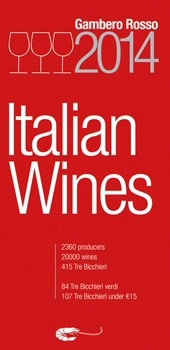
1. Italian Wines by Gambero rosso
The Gambero Rosso Wine Guide is the oldest and possibly the most famous Italian wine guide, especially outside Italy. Partly this may be due to the fact that is the only Italian wine guide that is also published in English and German. Gambero rosso rates each wine with the respected award system of one, two or three glasses (bicchieri). Over 20,000 wines and 2,350 wineries have been reviewed. 415 wines obtained the highest mark.


2. Guida dei Vini d’Italia published by L’Espresso
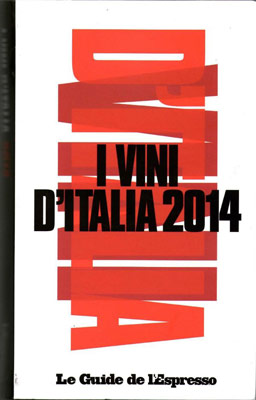
The Espresso wine guide is generally considered as very accurate and objective, rating a large number of wines and wineries. It is divided into two sections, the first includes wine ratings ranging from 18 to 0 (best – worst), the second is dedicated to wine producers, giving a short description of each of them.
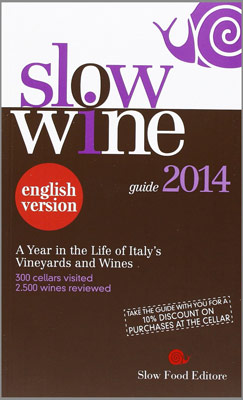
3. Slow Wine Guide of the Slow Food Group
A new Wine guide selecting wines and wineries that offer quality wine at a good price-quality ratio, respecting environmental and sustainability criteria as defined by Slow Wine and Slow Food. See also: Slow Wine Guide.
The English version of the Slow Wine guide is in its third edition.

4. Bibenda 2014 Wines and restaurants of Italy by the Italian Sommelier Foundation (Fondazione Italiana Sommelier)
Aimed at professionals, this 2000-page-guide is undoubtedly the most efficient guide for those working in the oenological sector.
Over 1.671 wineries and 20,000 wines have been reviewed, of which 520 have been given the maximum mark (5 Grappoli). Also included are 1,728 restaurants of which 18 with the maximum mark (5 Baci), for their excellent cuisine, hospitality and wine cellar.
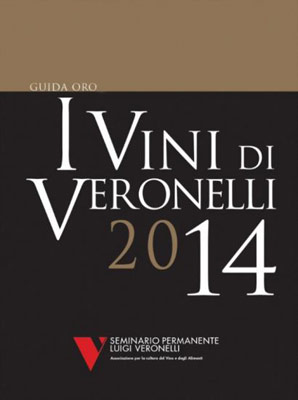
5. I Vini di Veronelli by Veronelli Editore.
Generally considered fair and reliable.
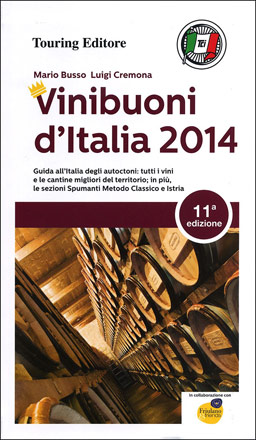
6. Vinibuoni d’Italia by Touring Editore
Curated by Mario Busso and Luigi Cremona, Vinibuona d’Italia is the only wine guide dedicated the wines produced from autochthonous vines. Over 4,500 wines reviewed.
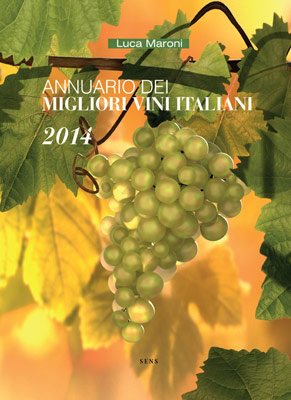
7. Annuario dei Migliori Vini Italiani 2014 by Luca Maroni
Well-respected guide that is maybe more subjective than the Gambero Rosso as to the types of wine labels included. The guide also offers accurate information on the wineries, including the conditions of visiting and purchasing at the wineries. The author, Luca Maroni, is a recognized wine taster who, single-handedly, initiated this respected guide.
8. Guida ai Vini d’Italia Bio 2014
The 17th edition of this guide is one of the most complete guides on Italian wines stemming from organic and biodynamic agriculture. 185 certified wineries and 619 wines have been reviewed.
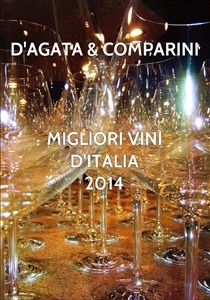
9. Guida ai Migliori Vini d’Italia 2014
Curated by Ian D’Agata and Massimo Claudio Comparini this guide offers, on top of the usual ratings, a list of wines with an excellent price-pleasure ratio marked with an asterisk.